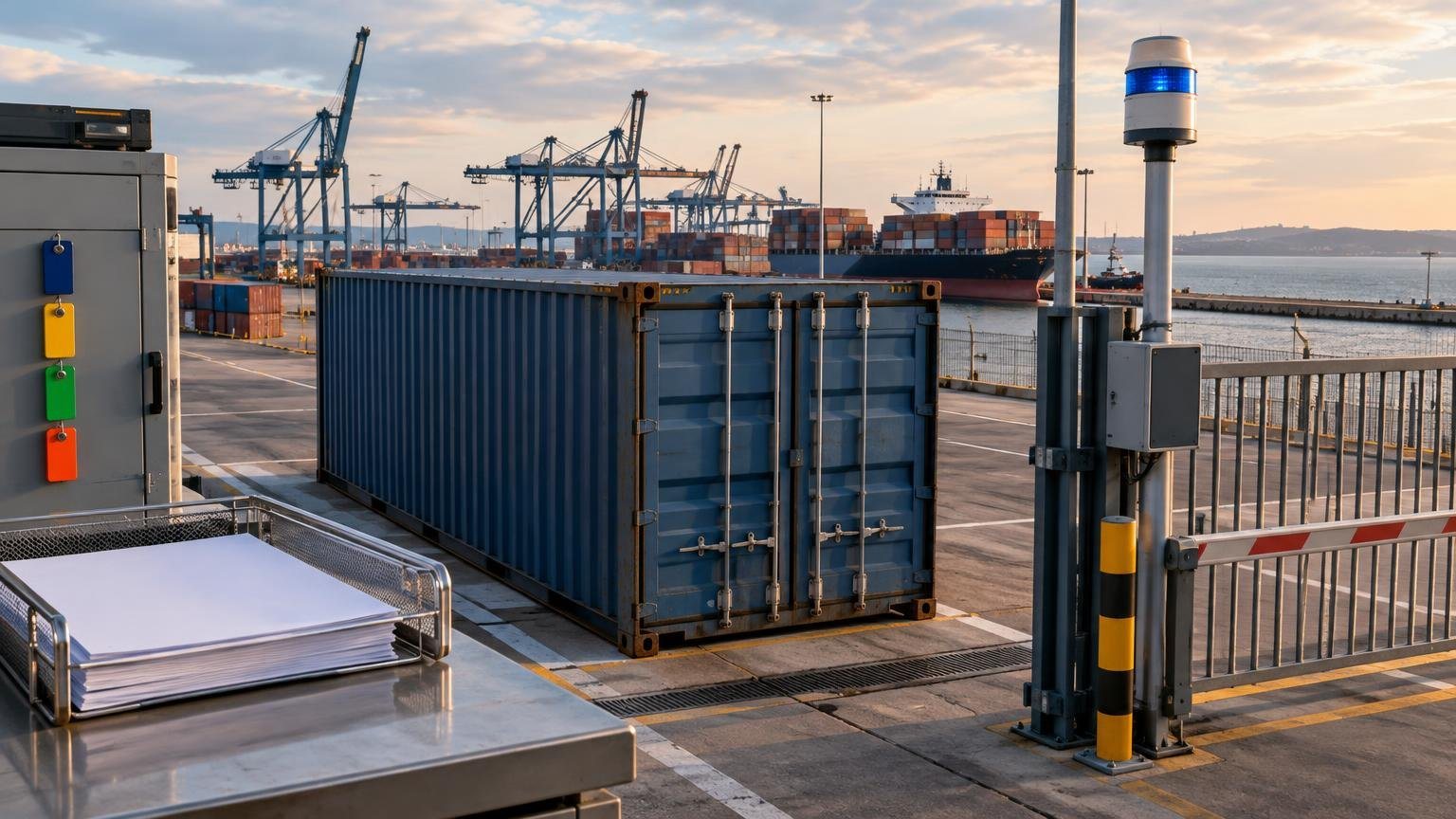
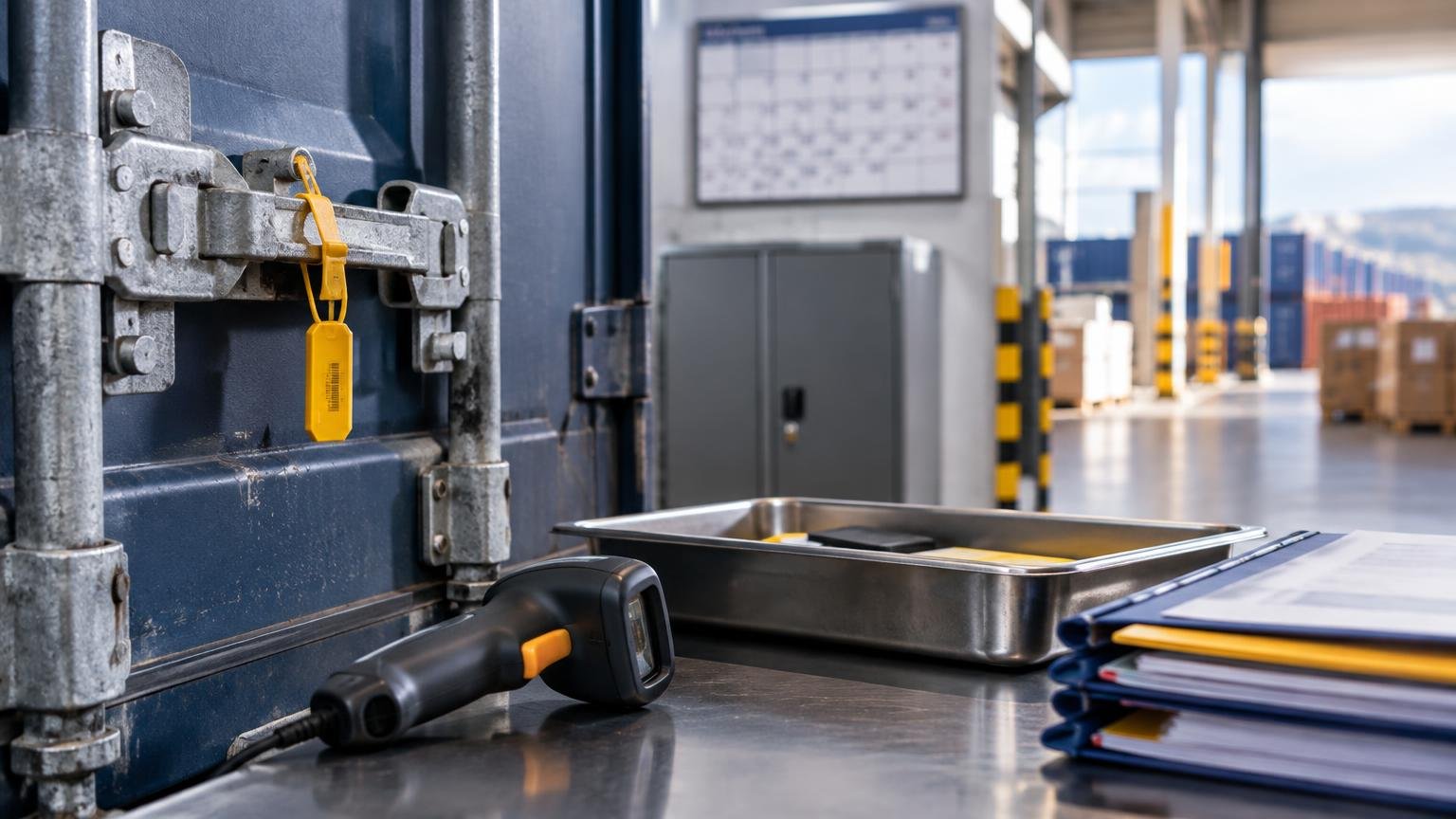
SARS has updated the facility code list used in Box 30 of the Goods Declaration to include a new Durban container depot. Importers, customs agents and finance teams should check their master data, shipment records and reconciliation controls before using the new code.
SARS has published draft rules for advance customs rulings, setting out proposed application procedures, fees, supporting documents and record-keeping requirements. Importers should review their customs data before the 4 November 2026 comment deadline.
SARS published six tariff amendments on 6 November 2026. Importers, vehicle assemblers and fuel-intensive businesses should review costing, customs and diesel-refund controls before the effective dates.
SARS has revised its Authorised Economic Operator accreditation policy, including transitional arrangements and an extended transactional period. Importers should review their customs records, authorisations and internal controls.
SARS has amended the customs rules for accredited clients, extending a key period from six to 18 calendar months with retrospective effect from 1 September 2025. Importers and exporters should review affected applications, records and internal compliance calendars.
SARS has announced amendments to the rules governing accredited customs clients, with retrospective effect from 1 September 2025. Importers should monitor the final Government Gazette notice and review supporting records, authorisations and customs-control procedures.
South Africa’s 2026 tax bills are now before Parliament, with written submissions due by 12:00 on 23 November 2026 and public hearings scheduled for 24 November. SMEs should review the proposals, but must not treat them as enacted law.
South Africa’s finance committees are moving towards finalising the 2026 revised fiscal framework and revenue proposals. SMEs should track the process, but should not treat proposals as enacted tax law.