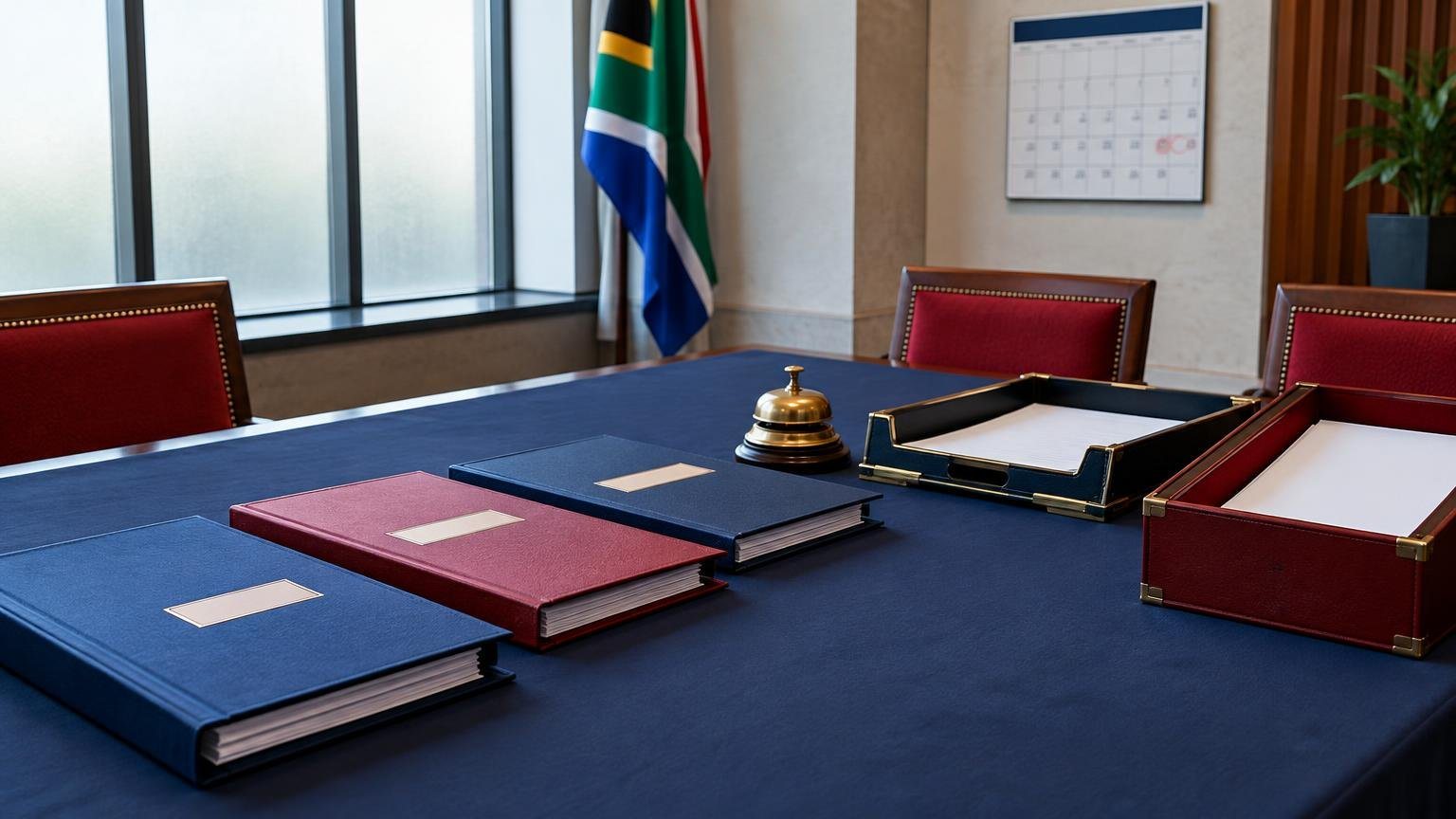
South Africa’s 2026 tax legislation process has moved to the parliamentary public-participation stage. The Standing Committee on Finance has invited written submissions on the Rates and Monetary Amounts and Amendment of Revenue Laws Bill, the Taxation Laws Amendment Bill and the Tax Administration Laws Amendment Bill.
Written submissions must reach Parliament by 12:00 on Monday, 23 November 2026. Public hearings are scheduled for Tuesday, 24 November 2026. The bills remain proposals at this stage and should not be treated as final law. Parliament’s committee notice sets out the participation process and the main areas covered by the bills.
What the bills cover
The Rates Bill deals with tax rates and related amendments to the Income Tax Act, Customs and Excise Act, Value-Added Tax Act and other legislation. The Taxation Laws Amendment Bill proposes changes across income tax, VAT, customs and carbon tax legislation. The Tax Administration Laws Amendment Bill focuses on administrative and compliance matters.
Among the listed proposals are domestic transfer-pricing rules for special economic zones, changes affecting leasehold improvements, further provisions for carbon-budget refunds and additional documentary requirements for second-hand goods. The administration bill also includes proposed changes relating to temporary-admission carnets, bank screening of refunds and interest relief for certain defaults disclosed through a voluntary disclosure application. These details appear in the parliamentary notice and the bills as introduced. The Taxation Laws Amendment Bill and Tax Administration Laws Amendment Bill should be read in full before drawing operational conclusions.
Who should pay attention?
The immediate audience is broader than large corporate taxpayers. Importers, businesses operating in or dealing with special economic zones, companies holding leasehold improvements, taxpayers involved in second-hand goods and organisations managing customs or refund processes may all need to assess the potential impact.
However, the effect will depend on the final wording, parliamentary amendments, presidential assent and any commencement dates specified in the legislation. A proposal discussed during the public-hearing process does not automatically create a new filing obligation or tax charge.
What businesses should check now
- Identify whether the business falls within any of the subject areas covered by the three bills.
- Separate confirmed 2026 tax-law changes from proposals that are still before Parliament.
- Ask the finance or tax team to assess potential effects on pricing, contracts, customs documentation, VAT treatment and tax provisions.
- Review whether existing systems can capture any additional data or supporting documents that may become necessary.
- Record assumptions clearly in budgets, forecasts and year-end tax calculations.
Practical next steps
SMEs that may be affected should download the introduced bills, mark the relevant clauses and discuss the operational consequences with their accountant or tax adviser. Businesses wishing to make formal submissions should follow Parliament’s stated process before the 23 November deadline.
For now, the prudent approach is to monitor the legislative process without prematurely changing invoices, tax returns or accounting policies. YFP can assist businesses with tax compliance reviews, accounting controls and finance-process planning through its accounting and advisory services.