South African importers and customs teams may soon have a more structured process for obtaining advance rulings on tariff classification, customs valuation and the origin of goods. SARS published draft rules for public comment on 14 October 2026, with comments due by 4 November 2026. The proposal is not yet final law, so businesses should treat it as a consultation document rather than an immediate new obligation.
The draft rules are intended to support Chapter IXA of the Customs and Excise Act, 1964. They describe how applications should be submitted, what information and supporting documents may be required, how fees would be calculated, and what records recipients of rulings would need to retain. SARS’s public-comment notice identifies the proposal as the insertion of rules 74B relating to advance rulings.
What the draft rules would change
Under the proposal, applications would be submitted electronically through eFiling or through branch front-end capturing at a SARS office. Applicants would need to provide general information such as their customs and excise client number, representative details, contact information and a declaration that the submission is accurate and complete.
The draft also proposes an application fee of R2 500, together with cost-recovery charges of R650 per hour for non-urgent applications and R1 000 per hour where an application is identified as urgent. Direct costs, such as laboratory testing, sample analysis, external expert fees, sampling or transport, could also apply. These amounts are contained in the draft and may change before final implementation. The draft rules provide the proposed fee structure and application process.
Who is likely to be affected?
The proposal is most relevant to businesses that regularly import goods where tariff classification, customs value or country of origin may be uncertain or commercially significant. This could include manufacturers, distributors, retailers, clearing agents and businesses using related-party suppliers.
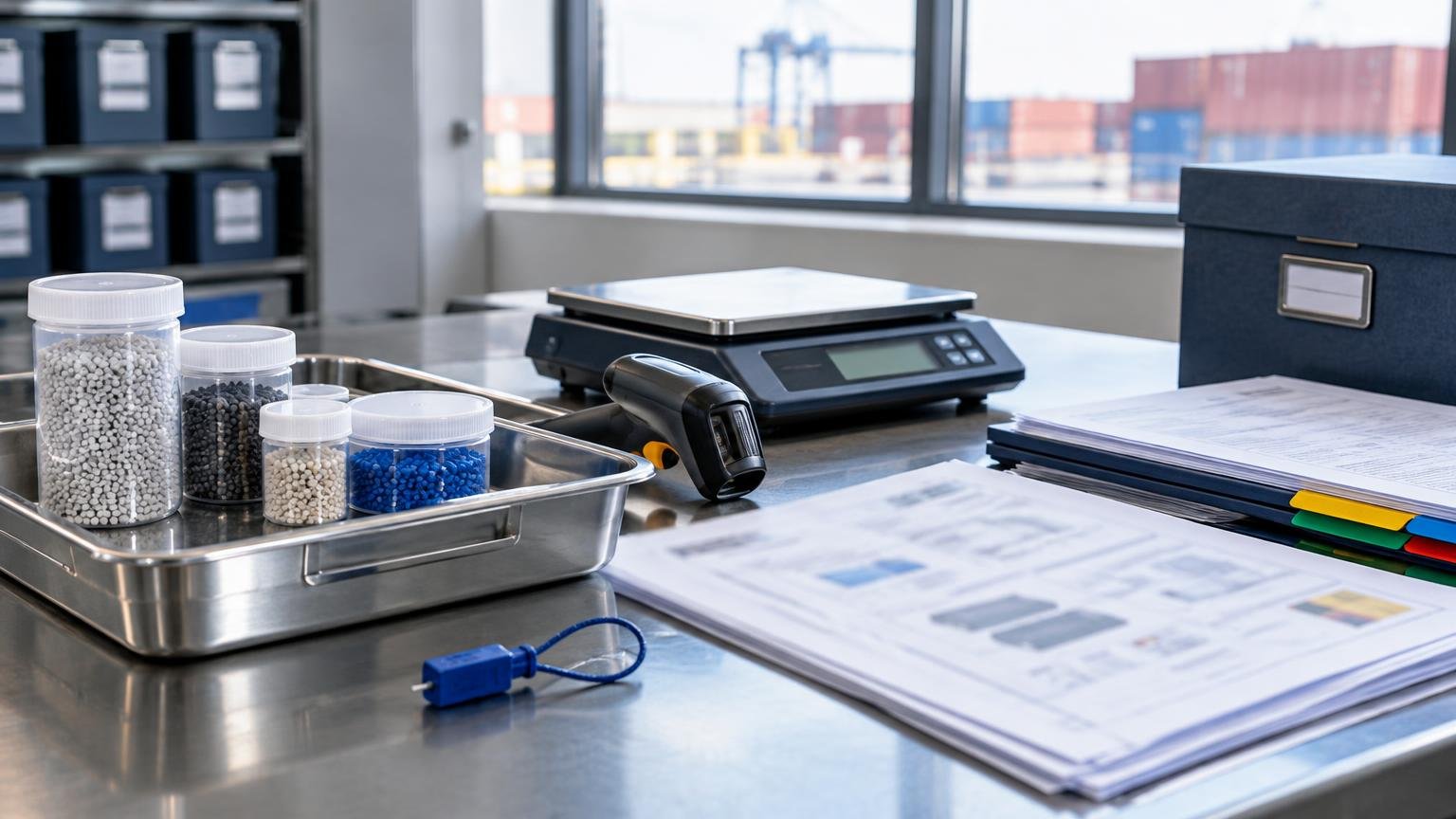
For tariff rulings, applicants would be expected to provide detailed product descriptions, manufacturer or supplier information, technical specifications, product composition and the proposed tariff classification. Supporting material could include photographs, diagrams, catalogues, safety data sheets, operating manuals, laboratory results and product samples.
For valuation rulings, the draft focuses on transaction details, relationships between parties, commissions, royalties, licence fees, restrictions on resale and other factors that may influence the customs value. Origin rulings would require information about raw materials, manufacturing processes, tariff changes and the value of the finished product.
What businesses should check now
- Identify imported products where classification, valuation or origin is regularly disputed or difficult to determine.
- Check whether product descriptions and supplier information are consistent across invoices, customs records, technical files and accounting systems.
- Confirm that supporting documents can be retrieved quickly and that confidential information is clearly identified.
- Review whether customs responsibilities are clearly allocated between the importer, finance team, procurement function and clearing agent.
- Assess the potential cost and value of seeking a ruling before committing to an application.
Practical next steps
Businesses with complex or high-volume imports should read the full draft and consider whether the proposed rules create operational or cost concerns. Comments must be submitted using the prescribed customs comment process by 4 November 2026.
Even before the rules are finalised, importers can improve their readiness by building a product-level customs evidence file and reconciling customs information with purchase, inventory and accounting records. This can help identify classification risks before they lead to unexpected duties, delays or disputes. Businesses requiring broader support with accounting, tax and compliance processes can explore Your Financial Partner’s services.