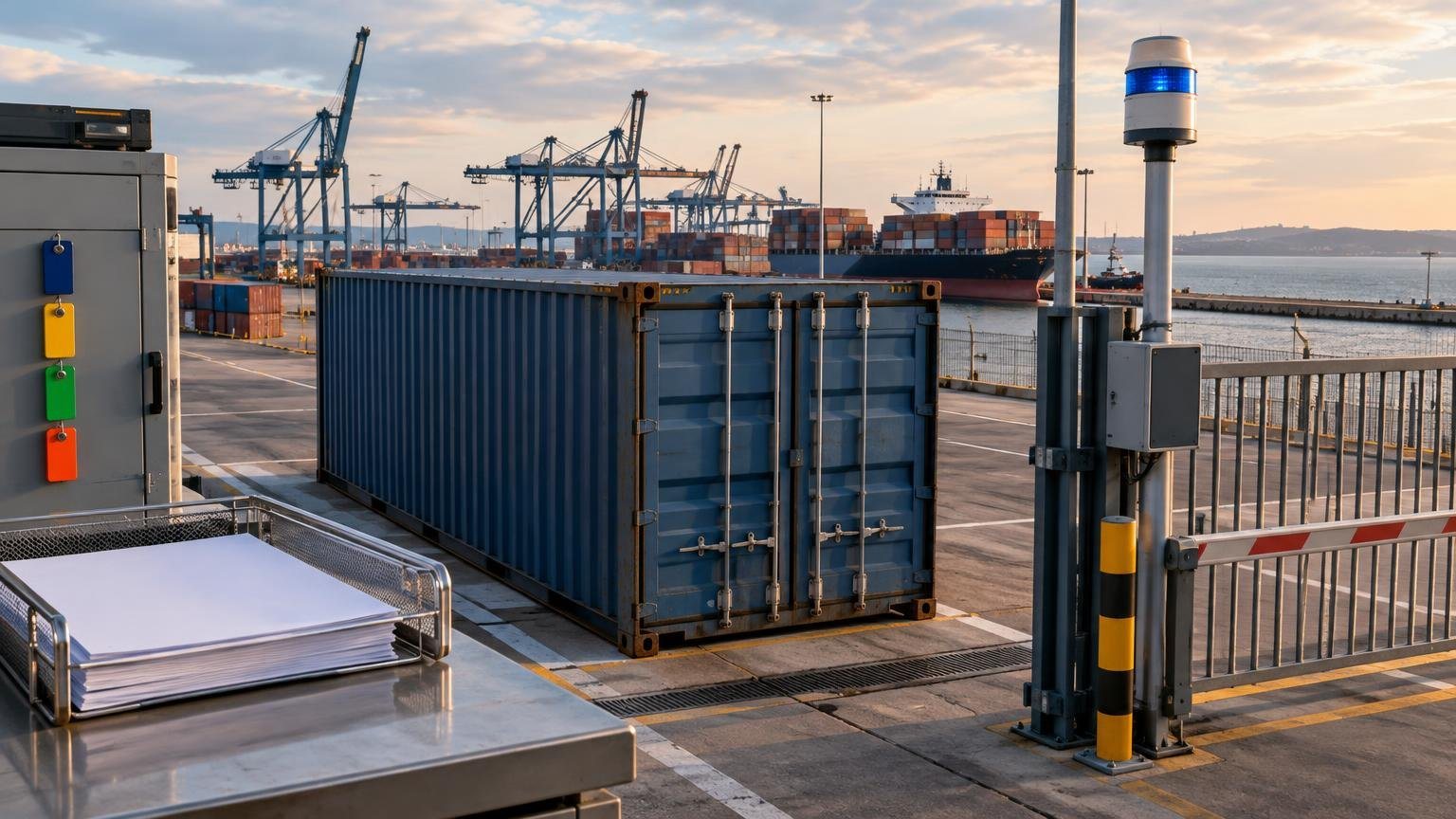
SARS has updated the facility code list used in Box 30 of the Goods Declaration. The update adds Synergy Worldwide Logistics (Pty) Ltd, a new container depot in Durban, under Sub Number J8. SARS published the notice on 10 November 2026 and said the addition will allow Customs to transmit electronic consignment-status messages to the facility. Read the SARS notice.
This is a targeted customs administration update rather than a change to VAT rates, import duties or general tax legislation. However, it has practical implications for businesses that import goods through Durban and for the accounting teams responsible for landed-cost records, customs documentation and supplier or clearing-agent reconciliations.
What changed in the SARS facility code list?
SARS has added the Durban container depot to the facility code used in Box 30 of the Goods Declaration. The stated purpose is to support the electronic transmission of consignment-status messages to the relevant facility.
The notice does not state that all importers must change existing declarations or amend historical transactions. The immediate issue is whether a business, customs broker or logistics provider will use the newly listed facility for future consignments. Businesses should confirm the operational change with their clearing agent and verify the correct code before submitting a declaration.
Who should pay attention?
- Importers routing containers through the newly listed Durban depot;
- Customs brokers and freight-forwarding teams preparing Goods Declarations;
- Finance teams reconciling customs entries to supplier invoices and landed costs;
- Businesses using enterprise-resource-planning or customs software with facility-code master data; and
- Companies that rely on electronic consignment-status messages to trigger receiving, inventory or payment processes.
Why the update matters for accounting records
A facility-code change can affect more than the customs submission itself. If the code in a business system is incomplete or incorrectly mapped, shipment-status messages may not flow to the intended operational team. That can delay goods-received processing, create timing differences between inventory and supplier records, or make it harder to match customs documentation to the related import transaction.
These are practical control considerations, not additional requirements expressly stated in the SARS notice. The accounting risk arises where customs, logistics, inventory and finance systems are not using consistent reference data.
Checks businesses should make now
- Ask the customs broker whether any upcoming consignments will use the new Durban facility.
- Confirm the facility code and Sub Number J8 against the current SARS facilities list before submission.
- Review the importer’s customs, logistics and ERP master-data records for duplicate or inactive facility codes.
- Test whether electronic status messages reach the correct operational or finance mailbox.
- Retain the Goods Declaration, customs correspondence, supplier invoice and clearing-agent statement together for reconciliation.
- Check that inventory receipt dates and landed-cost entries agree with the supporting customs and transport records.
Practical next steps for SMEs
For smaller importers, the most useful response is a short control review rather than a system overhaul. Document which party maintains the facility code, who approves customs declarations and how the finance team receives evidence that goods have cleared or moved to the depot. If a third-party clearing agent manages the process, request written confirmation of any master-data change and keep it with the relevant shipment file.
YFP can assist businesses with bookkeeping, reconciliations and financial-control reviews that support reliable import and landed-cost records. Explore the Your Financial Partner services available to South African businesses.