SARS’s updated 2026 guidance means qualifying micro-businesses with annual turnover of up to R2.3 million should reassess whether Turnover Tax remains suitable for their structure, records and growth plans.
The Turnover Tax qualifying threshold increased to R2.3 million from 1 April 2026. Micro-businesses should reassess eligibility, record-keeping and the effect on VAT and profit margins before choosing the regime.
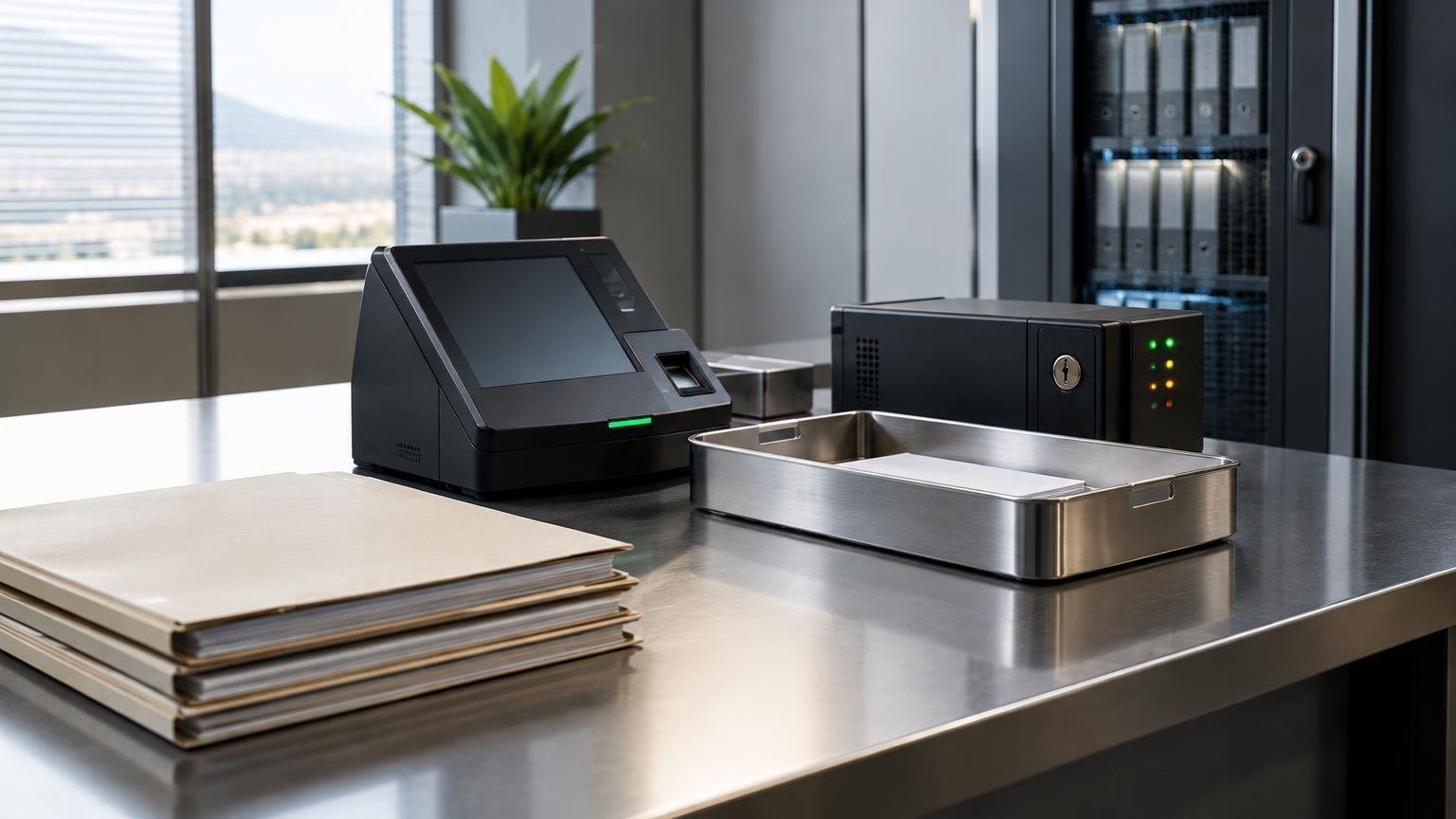
SARS says qualifying micro-businesses can access guided Turnover Tax registration through selected self-service kiosks, giving smaller businesses another route to formalise their tax affairs.
SARS has reminded small businesses that using a tax practitioner does not transfer responsibility for the accuracy of submissions. SMEs should strengthen their practitioner checks and approval controls.
SARS has extended the deadline for certain provisional taxpayers who received an automatic assessment to request a reduced or additional assessment. Businesses and sole proprietors should use the extra time to review their tax information, rather than delay action.
SAICA has asked National Treasury to clarify how provisional taxpayer status is determined and to provide relief where obligations only become clear after year-end. The proposal is not law, but it highlights practical cash-flow and compliance risks for businesses with irregular income.
A new WhatsApp scam impersonating the SARS Commissioner highlights the need for stronger verification, access and payment controls in South African businesses.
A valid SARS Tax Compliance Status can support access to tenders, funding and commercial opportunities. SMEs should treat it as an ongoing control, not a once-off certificate request.
Businesses that submit third-party data to SARS have until 31 October 2026 to report information for the period ended 31 August. Accurate data matters because SARS uses it to pre-populate and assess tax returns.
SARS’s October 2026 SMME guidance reminds businesses to confirm that the correct registered representative is linked and activated before managing tax affairs on eFiling.
SARS has published requirements for companies seeking to qualify as a REIT, including asset, rental income, leverage, distribution and governance tests. Property groups should assess their financial reporting and tax controls before the rules apply to a new year of assessment.
The IASB is preparing proposed IFRS 18 amendments on how certain government-imposed charges are presented and disclosed. South African finance teams should monitor the proposal and assess whether their reporting systems can support more detailed tax analysis.