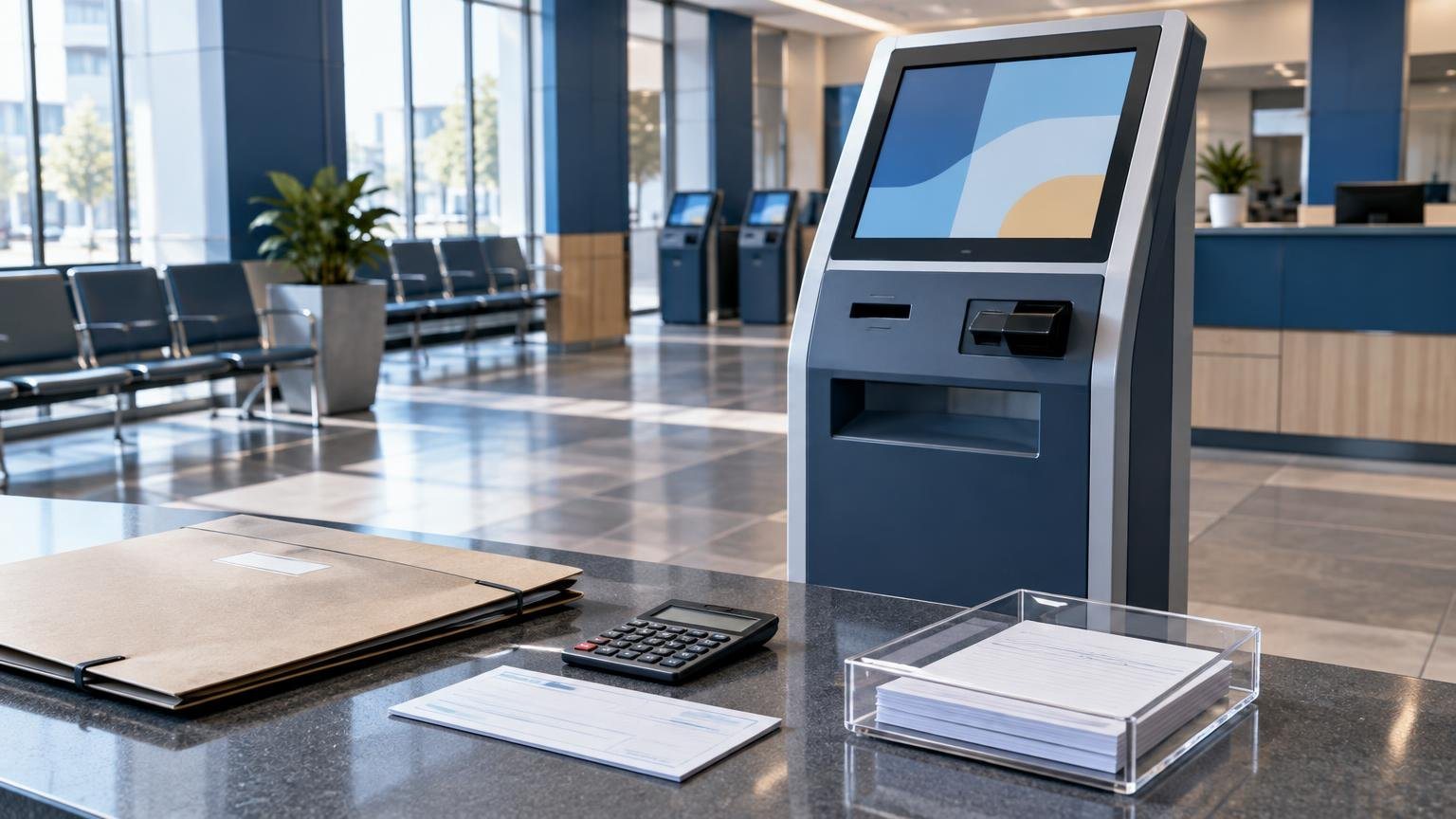
SARS has extended Turnover Tax registration support to selected self-service kiosks at SARS service centres and shopping malls. The update is aimed at qualifying micro and small businesses that need digital access or in-person assistance when registering. It does not change the eligibility rules or automatically place a business into the Turnover Tax system. SARS announced the additional support in its October 2026 SMME Connect issue.
The development is relevant for smaller businesses that may struggle to complete online tax processes independently. SARS says the kiosk service will offer the same guided registration process available through its Online Query System, although businesses should confirm whether the service is available at their nearest participating location before visiting.
What Turnover Tax covers
Turnover Tax is a simplified tax system for qualifying micro-businesses. SARS currently lists the qualifying annual turnover limit as R2.3 million or less. The regime replaces Income Tax, VAT, Provisional Tax, Capital Gains Tax and Dividends Tax for qualifying businesses, although a micro-business registered for Turnover Tax may elect to remain in the VAT system. SARS’s Turnover Tax guidance sets out the current rules.
For the year of assessment ending between 1 March 2026 and 28 February 2027, SARS lists a zero rate on taxable turnover up to R600,000. Turnover above that level is taxed according to the applicable graduated rates. The threshold and tax-free band were increased from 1 April 2026, so businesses should use current SARS guidance rather than older calculators or prior-year advice.
Who may be affected
The system may be relevant to sole proprietors, partnerships, close corporations, companies and co-operatives that meet the qualifying conditions. Turnover alone is not the only consideration. The nature of the business, ownership, activities and other requirements must also be checked before an application is submitted.
Businesses should also remember that simplified tax treatment does not remove the need for reliable financial records. SARS requires records of amounts received, dividends declared, and certain assets and liabilities above R10,000. Good bookkeeping remains important for monitoring turnover, testing continued eligibility and supporting the information supplied to SARS.
Checks to complete before applying
- Run SARS’s Turnover Tax quick test and confirm that the business meets the qualifying conditions.
- Review the last 12 months of sales and prepare a realistic turnover forecast.
- Confirm the business’s Income Tax, VAT, PAYE and CIPC details where applicable.
- Keep records of receipts, banking activity, dividends, significant assets and liabilities.
- Check whether the business should remain in the VAT system despite considering Turnover Tax.
Practical next steps for SMEs
Businesses that need assistance can consider registering through the SARS Online Query System or using the new guided kiosk support where available. SARS’s registration guidance says existing businesses generally apply before the start of a new year of assessment, while a new micro-business that starts trading during a year of assessment should apply within two months of starting. Read the current SARS registration guidance before submitting an application.
Turnover Tax can simplify administration for some micro-businesses, but it is not automatically the best option for every business. Before changing tax regimes, compare the consequences for VAT, expenses, pricing, cash flow and future growth. YFP can assist businesses with reviewing their records and tax position through its accounting and tax services.