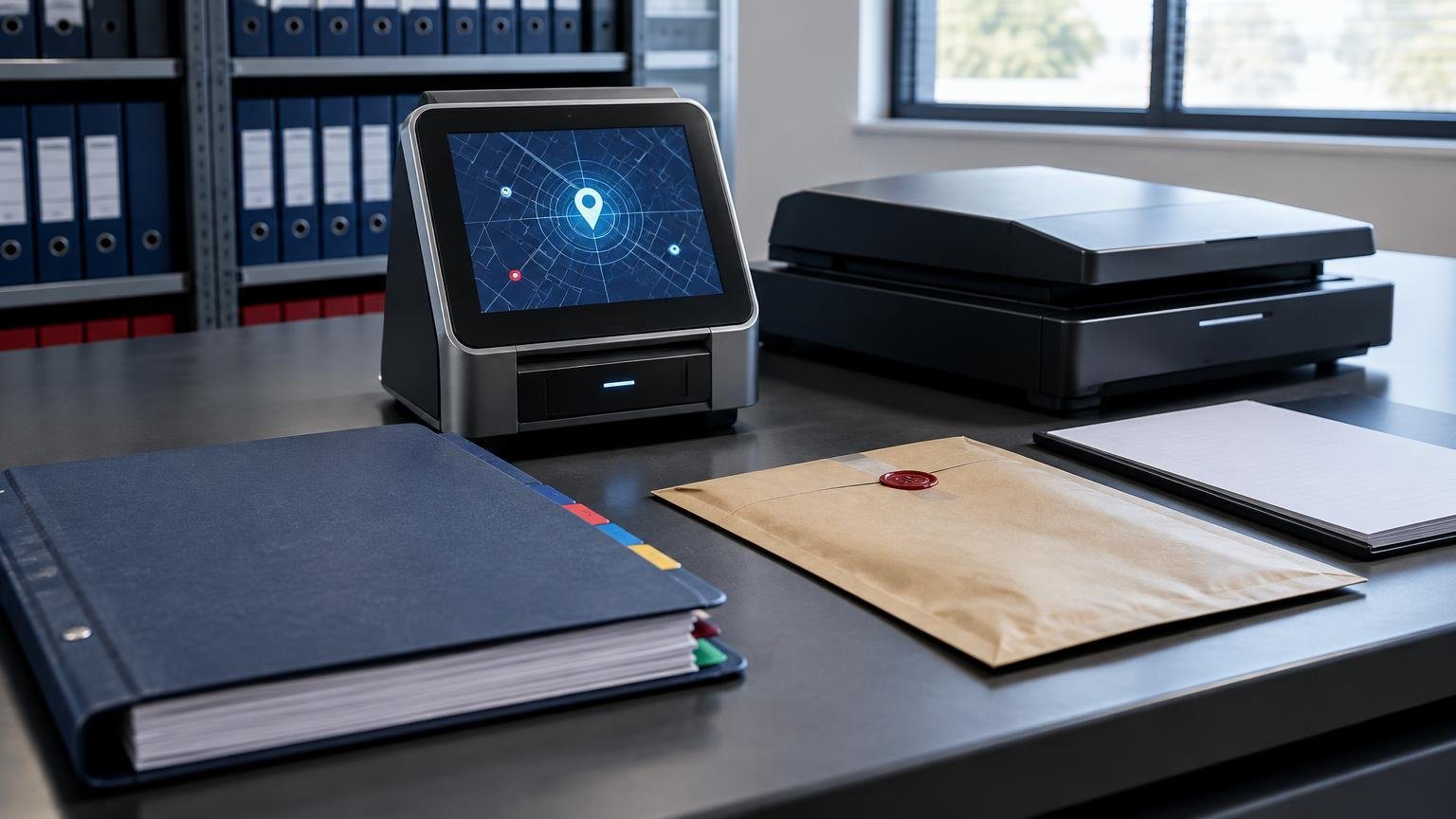
CIPC has introduced geolocation functionality for company and close corporation address changes. SMEs should review their registered physical address now to avoid inaccurate records, rejected amendments and unnecessary administrative costs.
SAICA has asked National Treasury to clarify how provisional taxpayer status is determined and to provide relief where obligations only become clear after year-end. The proposal is not law, but it highlights practical cash-flow and compliance risks for businesses with irregular income.
SARS will provide tax education and compliance assistance to Pietermaritzburg small businesses on 24 and 25 November 2026. Here are five practical checks businesses can complete before engaging with SARS.
CIPC published a November 2026 notice concerning annual return deregistration for companies and close corporations. Businesses should verify their compliance status, outstanding returns and registered details before deregistration affects their operations.
SARS has announced amendments to the rules governing accredited customs clients, with retrospective effect from 1 September 2025. Importers should monitor the final Government Gazette notice and review supporting records, authorisations and customs-control procedures.
SARS completed scheduled digital-platform maintenance on 6 and 7 November 2026. SMEs should use the notice as a prompt to review filing continuity, payment evidence and internal tax-system controls.
The Council for Medical Schemes’ Audit Quality Indicators submission platform is now live. Medical scheme audit and risk committees should confirm their assessments, supporting documents and submission responsibilities before the 20 November 2026 deadline.
CIPC introduced geolocation functionality for company and close corporation address changes on 6 October 2026. Businesses should review their registered address records and ensure future amendments are supported by accurate, consistent information.
SARS’s proposed Digital VAT Model will eventually connect invoicing, accounting systems and SARS through e-Invoicing, an interoperability framework and e-Reporting. SMEs have time to prepare, but should start by improving the quality and structure of their VAT records.
A practical review of tax invoices, supporting records and VAT201 figures can help South African VAT vendors reduce avoidable errors before submitting their next return.
The CIPC’s upgraded Beneficial Ownership Disclosure Module gives law-enforcement agencies faster access to company ownership information. South African businesses should use the development as a prompt to review the accuracy of their beneficial ownership records, securities registers and supporting documents.