SARS is proposing a major change to how VAT information could move between South African businesses, service providers and the revenue authority. The proposed Digital VAT Model combines e-Invoicing, secure invoice exchange and e-Reporting, with the long-term aim of supporting more automated VAT processes and near real-time transaction data. The model remains subject to consultation, approvals and readiness requirements; it is not a new mandatory filing obligation for all vendors today. SARS’s VAT modernisation guidance sets out the current proposal.
What SARS is proposing
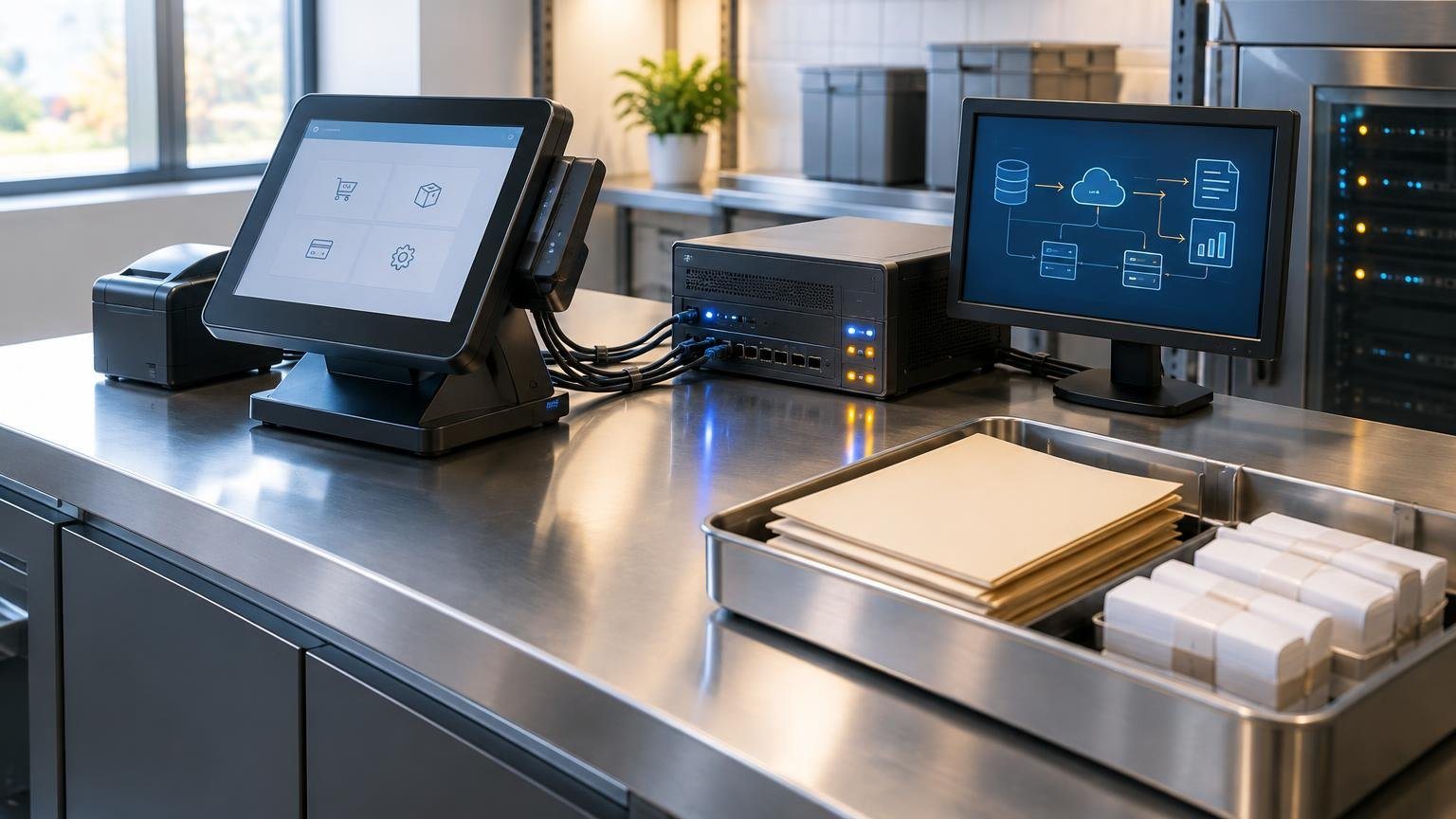
The proposed model would allow VAT-relevant invoice data to move securely between suppliers, buyers, accredited service providers and SARS. SARS describes a five-corner model in which businesses continue to use their own accounting or enterprise systems while approved service providers support invoice exchange and reporting.
Over time, the system could support pre-filled VAT returns, stronger validation, improved risk assessment and possible VAT auto-assessment. SARS has also indicated that taxpayers would retain the ability to review, correct or dispute outcomes. These are proposed future capabilities, not changes that businesses should treat as current law.
Why this matters for SMEs
For smaller businesses, the immediate issue is not buying a new system. It is understanding whether current records are complete, consistent and capable of producing reliable VAT information. SARS’s FAQs specifically point to the need for businesses without formal accounting systems to keep basic records of sales, purchases, invoices, receipts and VAT-related documents.
The proposed implementation is expected to be phased. SARS’s indicative timeline starts with consultation and design during 2026/27, followed by testing, a pilot and phased implementation from 2030, subject to consultation, approvals and readiness. Mandatory adoption would follow later for particular segments or sectors. SARS’s FAQs also note that costs may include software changes, service-provider fees, testing, training and process updates.
What businesses should check now
- Invoice completeness: confirm that sales and purchase invoices contain the information needed to support VAT calculations and audit trails.
- Data consistency: compare invoices, accounting records, bank transactions and VAT201 figures to identify recurring differences.
- System capability: ask whether your accounting or invoicing package can export structured data and integrate with future digital processes.
- Document retention: ensure that electronic and paper records are stored securely and can be retrieved when needed.
- Responsibility and controls: document who reviews VAT coding, approves credit notes and checks the VAT return before submission.
A practical preparation plan
Start with a short data-mapping exercise. List the systems used for sales, purchases, stock, payments and VAT reporting. Identify where information is manually re-entered, where tax codes are applied inconsistently and where supporting documents are missing. Correcting these weaknesses now can reduce future implementation costs and make ordinary VAT reconciliations more efficient.
SAICA submitted comments on SARS’s consultation paper on 14 October 2026, highlighting that the profession is actively engaging with the proposed e-Invoicing, interoperability and e-Reporting framework. Businesses should continue monitoring official SARS updates rather than treating consultation proposals as final requirements. SAICA’s submission is available here.
YFP can assist businesses with VAT reconciliations, accounting-system reviews and practical compliance controls. Explore the Your Financial Partner services available to South African SMEs.