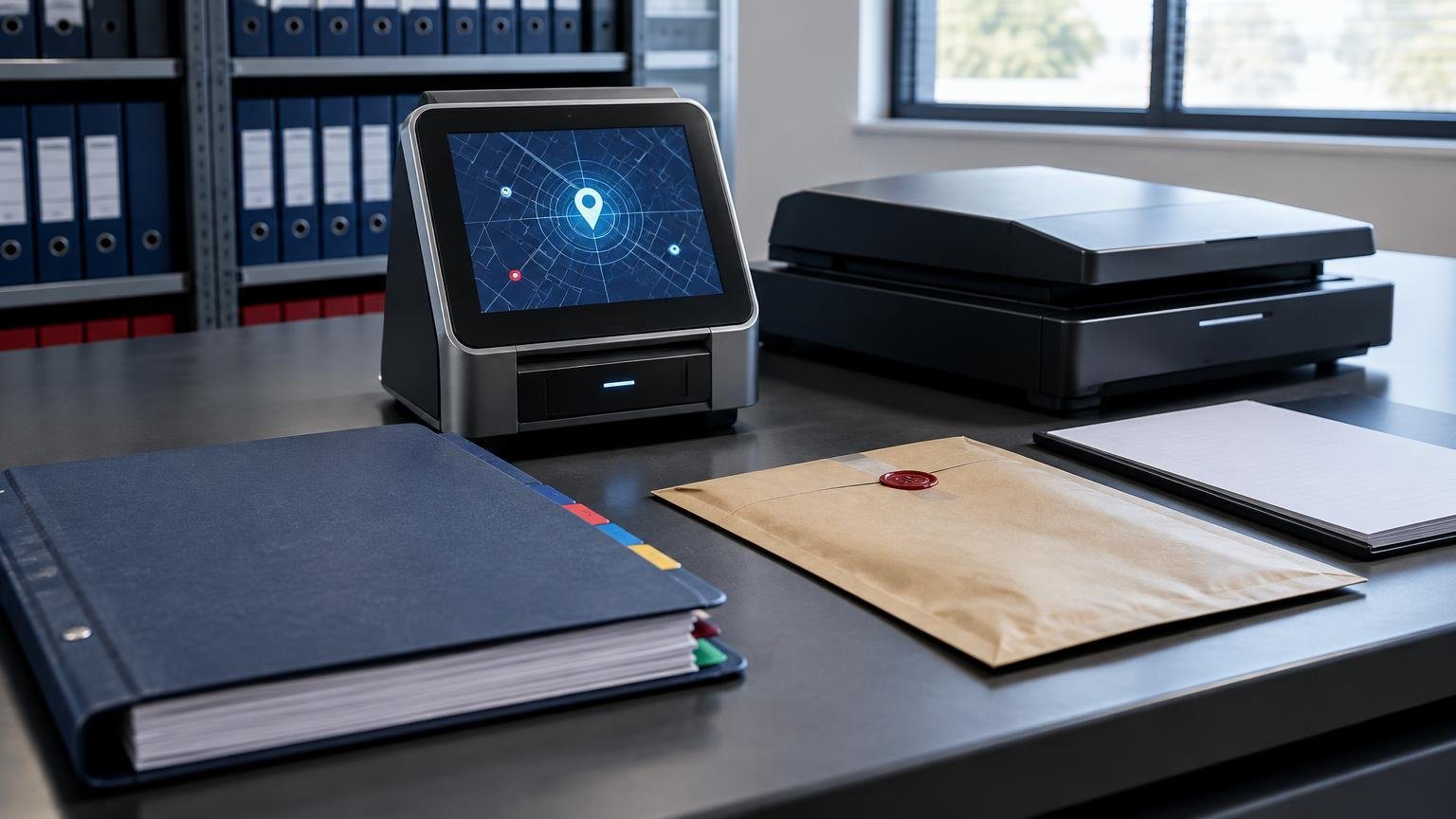
The Companies and Intellectual Property Commission (CIPC) has introduced geolocation functionality for company and close corporation address changes. The notice was published on 6 October 2026 and adds a new administrative consideration for businesses updating registered address information. Read the CIPC notice listing.
This does not appear to create a new tax deadline or change the annual-return cycle. However, it reinforces the importance of maintaining accurate statutory information. An address amendment that is incomplete, inconsistent or not properly authorised could create delays when a business later needs to update directors, file annual returns, manage beneficial-ownership information or respond to a regulatory query.
What has changed
CIPC’s notice specifically refers to the introduction of geolocation functionality for company and close corporation address changes. The available notice listing confirms the change, but businesses should consult the relevant CIPC transaction screens and guidance before lodging an amendment because the practical system requirements may develop over time.
CIPC’s existing online process requires users to log in with their customer code and password, select the address-change service, validate the enterprise number and complete mandatory address information. The Commission’s guidance also refers to registered postal and physical addresses, an effective date and a tracking number for the transaction. Review CIPC’s current online address-change guidance.
Who should pay attention
The update is relevant to companies and close corporations that have moved premises, changed their registered office, operated from a new physical location or discovered that their statutory records no longer match their actual business details.
It is particularly important for businesses with several sites, home-based operations, shared office arrangements or outsourced administration. These businesses should confirm which address is being changed and whether the information held by CIPC agrees with internal records, SARS registrations, banking records and key contracts.
What businesses should check
- Compare the company’s CIPC registered office and physical address with its latest board or member records.
- Confirm that the enterprise number and entity details are correct before submitting an amendment.
- Check that the proposed effective date is authorised and recorded internally.
- Keep evidence of the address, approval and submission tracking number with the company’s statutory records.
- Review whether the change affects SARS, payroll, banking, supplier, licensing or customer records.
Practical next steps
Businesses planning an address change should avoid leaving the amendment until it is needed for another compliance process. Ask the person responsible for company secretarial or accounting administration to perform a short statutory-records review and identify any conflicting addresses.
After submission, retain the confirmation and monitor the entity’s CIPC profile to ensure the amendment is reflected correctly. If the system requests additional information or the change does not process as expected, use CIPC’s official enquiry channels rather than relying on informal advice.
Accurate company records support more than administrative convenience. They help finance teams maintain a reliable compliance file and reduce the risk of notices, correspondence or verification requests being linked to outdated information. For assistance with ongoing company compliance and financial administration, businesses can explore Your Financial Partner’s services.