A new SAICA VAT registration FAQ highlights the need for SMEs to reassess turnover, registration status and supporting records under South Africa’s 2026 VAT thresholds.
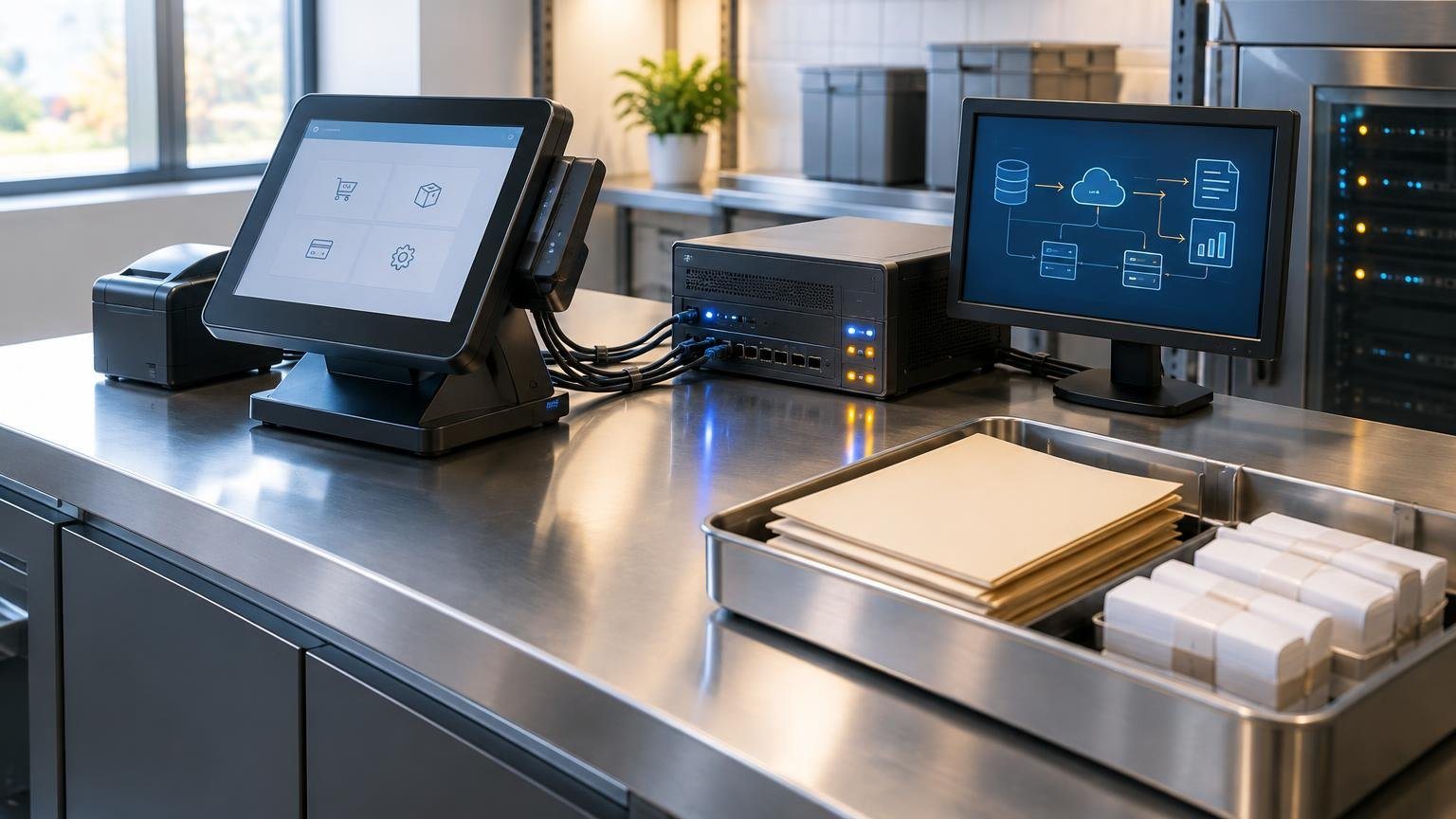
SARS’s proposed Digital VAT Model will eventually connect invoicing, accounting systems and SARS through e-Invoicing, an interoperability framework and e-Reporting. SMEs have time to prepare, but should start by improving the quality and structure of their VAT records.
The IASB has extended the comment period for proposed IFRS 9 and IFRS 7 amendments. South African finance teams using hedge accounting should review the proposals before the revised 30 November 2026 deadline.
SARS is consulting on a proposed digital VAT model involving e-invoicing, secure data exchange and e-reporting. No mandatory implementation date has been confirmed, but South African VAT vendors should begin assessing their systems before the consultation closes on 16 October 2026.
South Africa’s finance committees are moving towards finalising the 2026 revised fiscal framework and revenue proposals. SMEs should track the process, but should not treat proposals as enacted tax law.
A recent IFRS Interpretations Committee update puts residual-value estimates under the spotlight. South African finance teams using IAS 16 should review their asset assumptions before year-end.
SAICA has asked National Treasury to clarify how provisional taxpayer status is determined and to provide relief where obligations only become clear after year-end. The proposal is not law, but it highlights practical cash-flow and compliance risks for businesses with irregular income.
SARS’s 2026 Employer Interim Reconciliation period runs until 31 October. Employers should now reconcile payroll data, employee tax numbers and PAYE, UIF and SDL amounts before submitting their EMP501.