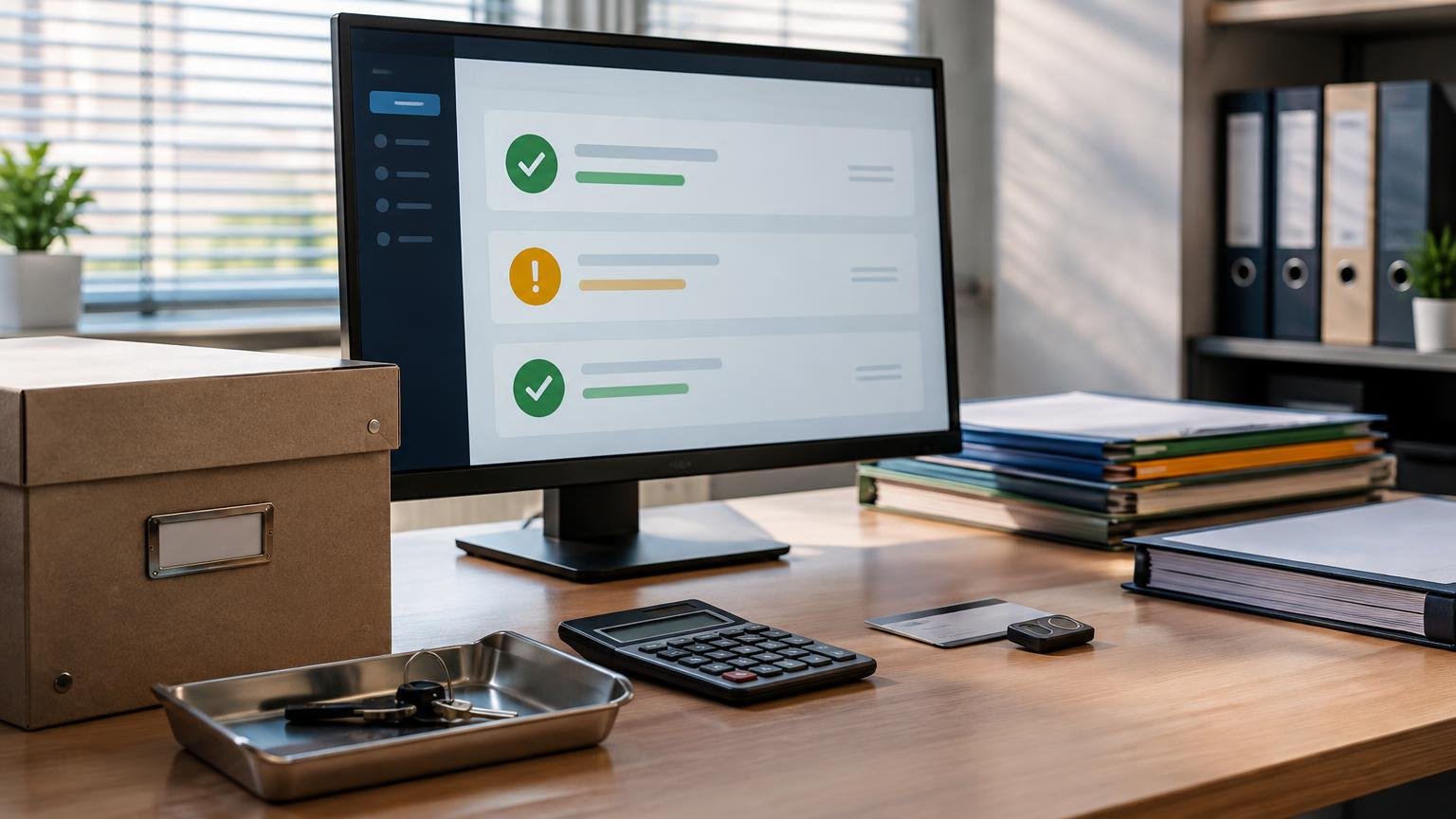
South African VAT vendors have until 16 October 2026 to submit comments on SARS’s proposed VAT Modernisation Consultation Paper. The proposal is not yet an enacted compliance requirement, but it signals a possible long-term shift towards more digital, structured and near-real-time VAT administration.
SARS says the consultation process is in its final phase and is asking affected businesses, software providers and other stakeholders to provide practical input. The deadline is confirmed in SARS’s 1 October reminder and in its original consultation announcement.
SARS’s final-phase reminder and the original consultation announcement should be treated as the primary sources for the current process.
What SARS is proposing
The consultation paper outlines a proposed Digital VAT Model built around three connected elements: e-invoicing, an interoperability framework and e-reporting. SARS’s stated objective is to improve the secure flow of VAT transaction data between businesses, service providers and the revenue authority.
The model is intended to support better data quality, reduce duplicated administration and improve SARS’s ability to identify compliance risks. For compliant vendors, SARS indicates that the longer-term objective is a simpler and more predictable VAT process, with less reliance on manual submissions and retrospective verification.
However, these are proposals for consultation. The consultation process is expected to help shape policy choices, technical design, implementation sequencing, readiness requirements, costs, risks and safeguards. Businesses should therefore avoid treating the proposed model as an immediate replacement for current VAT return and record-keeping obligations.
Who may be affected?
The potential impact extends beyond large VAT vendors. Small and medium-sized businesses may also be affected if their accounting, invoicing or point-of-sale systems need to exchange more structured transaction information.
Businesses that use cloud accounting platforms, outsourced bookkeeping providers, industry-specific software or integrated payment systems should monitor future developments closely. Software providers and tax practitioners may also need to assess whether their systems can support consistent invoice data, transaction reporting and secure information exchange.
What businesses should check now
- Invoice data: Review whether sales and purchase invoices consistently capture the information required for accurate VAT processing.
- System integration: Identify how invoicing, inventory, point-of-sale, payment and accounting systems currently share data.
- Data quality: Check for duplicated customer or supplier records, inconsistent VAT treatment and incomplete transaction descriptions.
- Record retention: Confirm that electronic invoices, supporting documents and adjustment records can be retrieved efficiently.
- Change readiness: Ask software providers and accounting teams whether planned product updates may be needed if the model progresses.
Practical next steps before the deadline
Businesses directly affected by VAT administration should read the consultation paper and decide whether they have evidence-based comments on implementation costs, technical readiness, data security, privacy, reporting frequency or the effect on smaller vendors. Comments must be submitted through the response mechanism specified by SARS by 16 October 2026.
Even where a business does not submit comments, this is a useful opportunity to review the quality of its VAT data and the reliability of its accounting systems. Stronger source records and cleaner system integration can support current VAT compliance while also reducing disruption if digital reporting requirements are introduced in future.
For support with VAT processes, accounting systems or compliance readiness, businesses can explore Your Financial Partner’s accounting and advisory services.